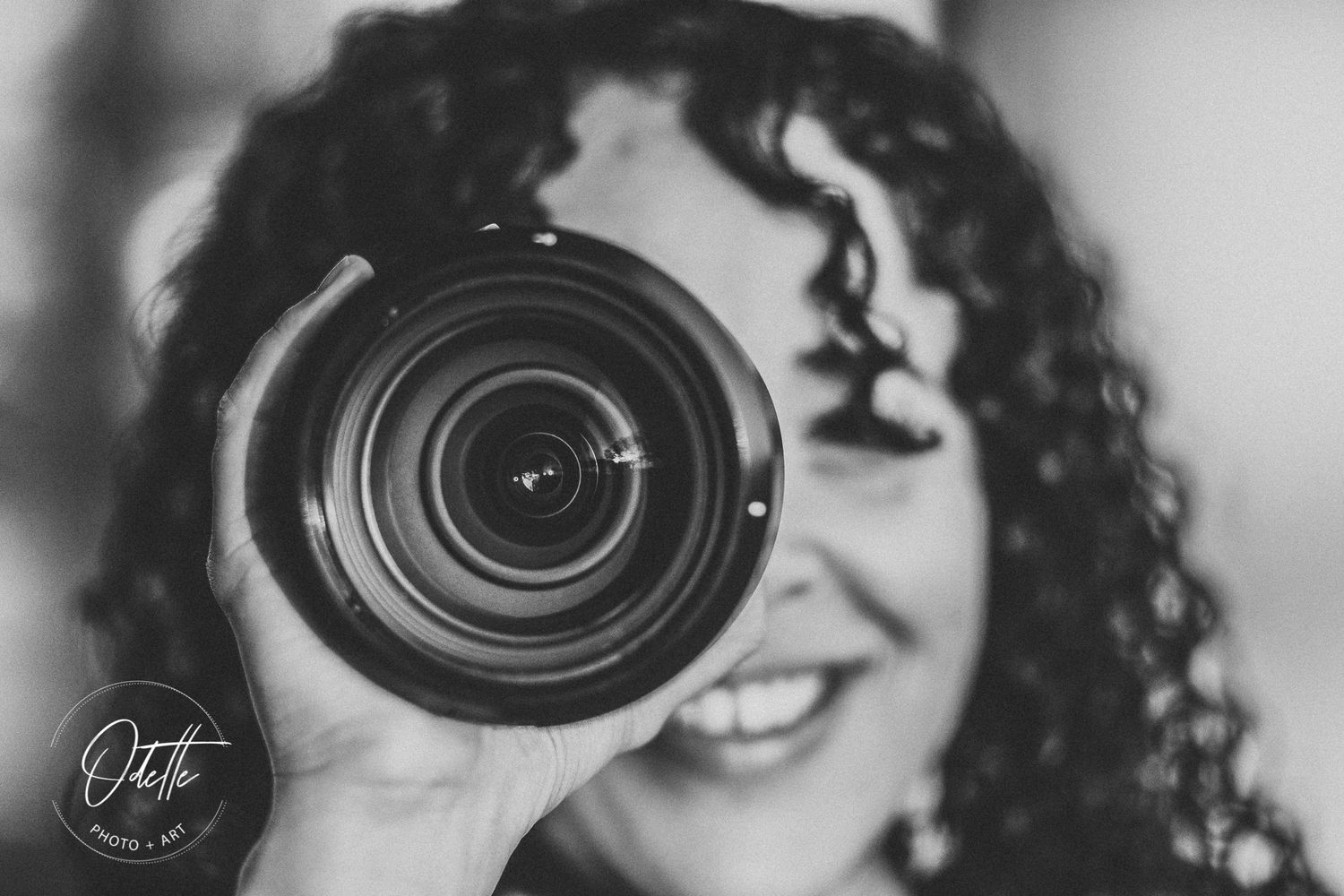
A single photograph can freeze a moment in time, but the best images do much more. They tell a story, drawing you into a world of emotion, character, and action all within one frame. This goes beyond just technical skill; it's about making a connection that stays with you long after you've looked away. When you learn to see and capture these stories, your photography stops being just a record of events and becomes a compelling form of art.
The Power of a Visual Narrative
A visual narrative is simply the story a photograph tells without words. It can hint at a past, present, and future, all suggested through how things are arranged, what's in the picture, and the overall mood. A powerful image doesn't just show you what something looks like; it makes you *feel* what's happening. Imagine a messy artist's studio bathed in morning light. The story isn't just about the room itself, but about the creative process, the dedication, and the passion of the artist you don't even see. This is the power of visual storytelling in action.
One of the best ways to understand how stories are built in photos is to look at other photographers' work. Platforms that show off global talent offer a peek into countless stories, from huge, sweeping landscapes to close, personal portraits. The online photography marketplace Lumenira is a great spot to find creators who are experts at weaving stories into their work, giving you endless ideas for how one picture can say so much.
Crafting Stories with Light and Shadow
Light and shadow are basic tools for any photographer, but for a storyteller, they're like your pen and paper. How you use them can completely change your photo's mood and meaning. Harsh, direct light can create drama, conflict, or intensity. On the other hand, soft, diffused light often brings a feeling of gentleness, nostalgia, or peace.
Shadows are just as crucial. What you choose to hide can be as powerful as what you show. A face half-covered in shadow might suggest mystery, inner turmoil, or a hidden side to someone's personality. Shadows can also create leading lines that guide the viewer's eye through the frame, building a visual path for them to follow the story. Mastering the art of storytelling photography means learning to see light not just as something that brightens a scene, but as a key character in it.
Emotional Depth in Every Frame
A technically perfect photo without any emotional depth is just an empty shell. The real heart of storytelling in photography is its power to make you feel something. You often achieve this by focusing on people – a subtle expression, a natural moment of connection, or a telling gesture. A photo of two people laughing together tells a universal story of friendship and joy that anyone can understand.
But emotion isn't only for portraits. A landscape can be just as emotionally charged. A vast, empty desert can bring feelings of solitude and awe, while a dark, stormy seascape might convey turmoil or power. The trick is to capture the scene's mood and turn it into a feeling for the viewer. Pay attention to color, weather, and how big your subject is within its environment to boost the emotional impact of your images.
Showcasing Your Photographic Tales
Once you've captured a story, the next step is sharing it. How you present your work can make its narrative power even stronger. Instead of just showing single, unrelated images, think about creating a photo series or a project that explores a theme or follows a character over time. This lets you build a more complex and engaging story.
Your titles and captions also help. A well-chosen title can offer a hint of context or a touch of poetry without giving everything away. It should invite the viewer to look closer and interpret the image for themselves. Whether you share your work on a personal blog, through social media, or in a printed portfolio, presenting your photos as a collection of stories will help you connect more deeply with your audience.
Ultimately, storytelling is what turns a photograph from a simple snapshot into a piece of art. The next time you pick up your camera, ask yourself: what story am I trying to tell?


